Why should every student have A Telling Experience?

"A carrot is not an apple, but you need both in a healthy diet."

A Telling Experience is an important part of any educational "diet." Although I cannot claim to serve all educational needs, A Telling Experience does make direct connections to the Standard Course of Study in all grade levels via the Language Arts Curriculum. Equally important benefits come from exposure to the patterns of narrative, the sequencing of events, and the relationships between cause and effect. These help build the necessary thinking skills for understanding numerical sequencing, historical and scientific processes, and the functioning of various systems. Our stories are more than exercises in language and communication skills. They are experiences in the way the world works, the values of the society, and the nature of the human condition.

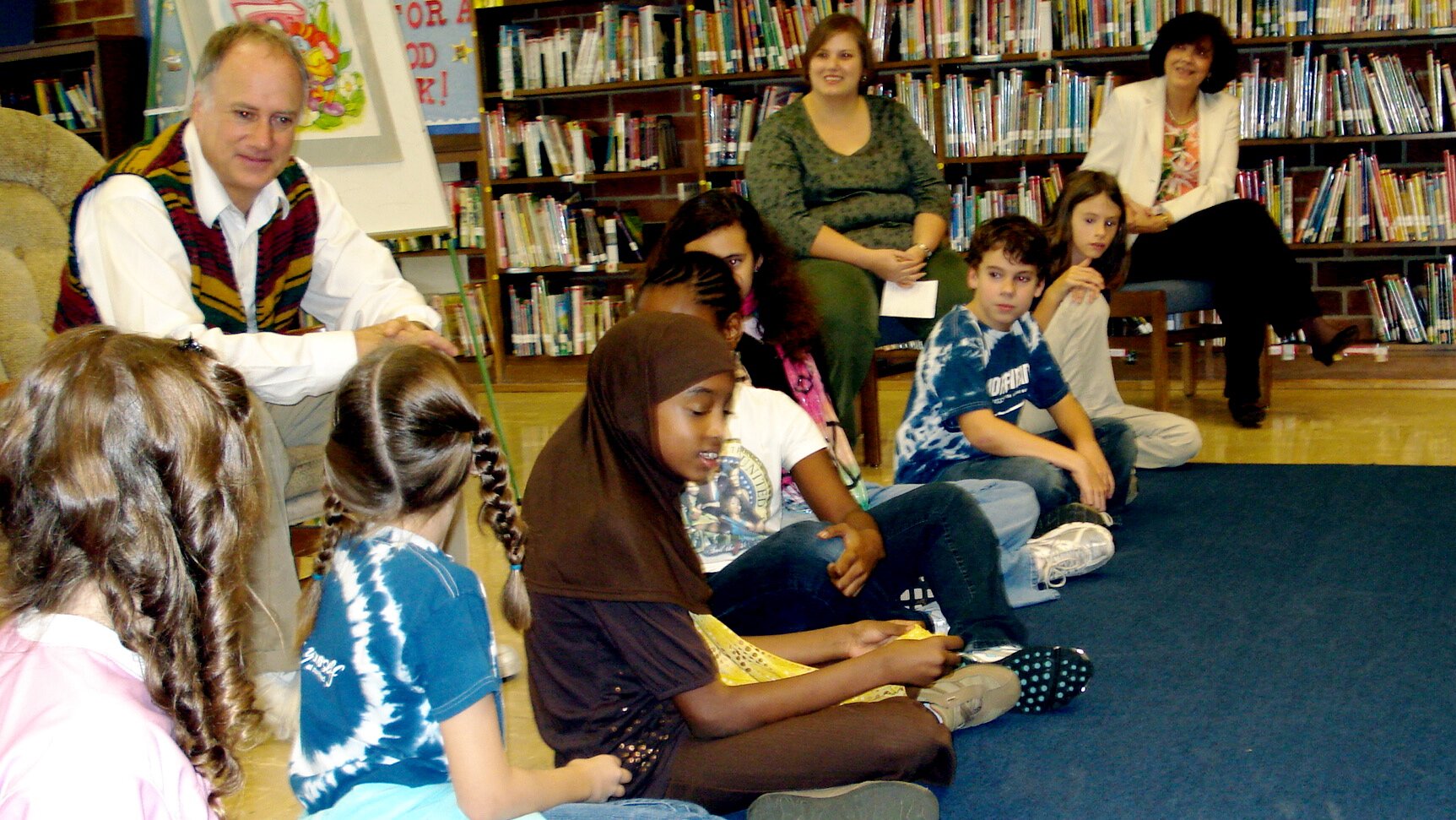
A Telling Experience is a good time here and now, if only because we get to spend a brief hour laughing, feeling, sharing and being entertained. While much can be said about the edifying nature of storytelling, there is yet another consideration. Imagine for a moment that our children have no future. A chilling thought, to be sure. Nevertheless, if we were only concerned with preparing our children for tomorrow, what becomes of today? What if today is all they have? Would we not also want the experience of today, now, the present moment, to be rich and rewarding in its own right? Never mind the daily sense of urgency to plan for the future. What is our responsibility to the life experience of our children in the present? Here is how one student described A Telling Experience in a classroom writing exercise:


"Once upon a time, David Novak told us stories, and we all lived happily ever after."